Back to blog
Google Shopping Scraper: How to Scrape Data for Price & Product Monitoring
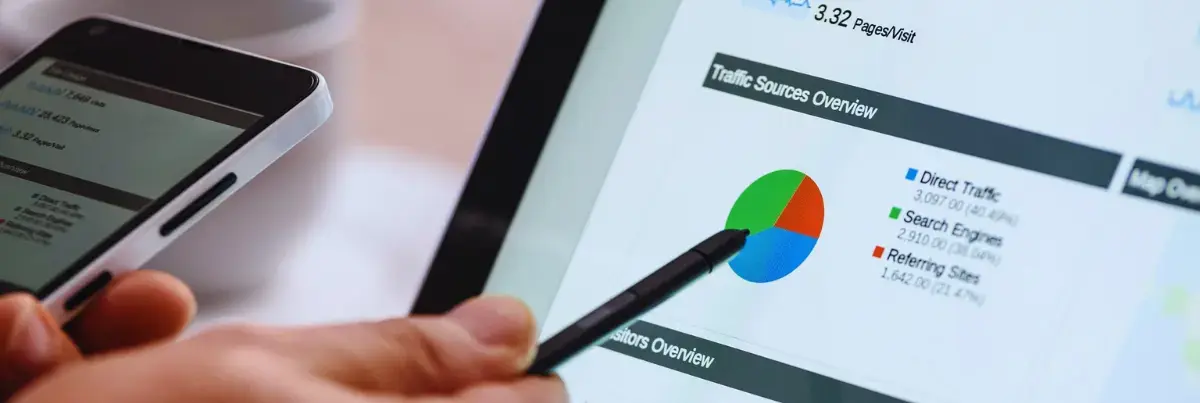

Companies use a Google Shopping scraper because Google’s tools don’t provide a ready-made list of competitors’ products, prices, and terms from public Shopping results. This article explains what data can be collected and compares the Merchant API, a ready-made API, and a custom scraper. It also shows how DataOx helps track prices and products.
Retail companies that need ongoing monitoring of competitors’ prices and products, not a one-off check, run into the same problem: Google Shopping prices change multiple times a day, and manual tracking can’t keep up.
This article covers how to automate data scraping from Google Shopping, including the main challenges and best practices.
How Google Shopping Scraper Works
Google Shopping scrapers send automated requests to Google Shopping pages, render the JavaScript-heavy content using headless browsers. They then parse the HTML to extract product data such as price, availability, seller, rating, and store or deliver it on a schedule.
A google shopping price scraper also finds price and availability discrepancies between Google and the website to avoid product disapproval and lost impressions.
How to Scrape Google Shopping Data Step-by-Step
The scraping method depends on what data you need and who will maintain the process. Google Merchant API works with your Merchant Center, a google shopping scraper API quickly returns public results, a custom scraper provides more control, and google shopping scraper services manage the entire workflow.
1. Before Scraping: Is the Google Merchant API Enough?
Google Merchant API allows you to manage your own products, prices, availability, promotions, and data sources in Merchant Center. Merchant Reports API also provides statistics and market benchmarks. However, it does not provide a detailed feed of specific competitor offers from public Shopping results. If you need this competitor-level detail, the next step is to collect public Shopping results with a Google Shopping scraper.
Example: A store updates the prices and availability of its own products and then checks their performance and status in Merchant Center.
2. Connect a Google Shopping Scraper API
A ready-made google shopping scraper API accepts a search query and returns Shopping results in JSON. It offers a quick start without developing your own tool. However, your team still manages scheduling, product matching, validation, history, and data loading into your system.
Example: A retailer submits a list of smartphone models daily and receives the price, seller, link, and position of each offer found. These responses must then be matched with the internal catalog and stored for comparison.
3. Build a Google Shopping Results Scraper
A custom google shopping results scraper gives you control over queries, geography, devices, frequency, and fields. To work with dynamic pages, the team can use browser automation such as Playwright. It is also responsible for infrastructure, parser updates, retries, quality control, and delivery.
Example: A google shopping price scraper checks 2,000 SKUs across five regions. For each offer, it stores the model, variant, seller, price, shipping, availability, position, and timestamp. When the page structure changes, the internal team updates the scraper.
4. Choose Google Shopping Scraper Services
Google shopping scraper services are suitable when a business needs regular data but does not want to build and maintain the pipeline itself. DataOx can configure the agreed queries, regions, frequency, fields, product matching, and validation, and then arrange data delivery in CSV, JSON, through an API, to a database, or another agreed system.
Example: A brand provides a list of products, competitors, and markets. DataOx collects public offers on the agreed schedule, matches identical models, flags changes, and delivers the complete history to the client’s analytics system.
The best google shopping scraper is not the one that collects the most data, but the one that reliably finds the right offers, matches products correctly, and delivers useful updates on time.
What Makes the Best Google Shopping Scraper Reliable?
Even an accurate price can be misleading if the scraper confuses things. It can confuse the model, configuration, seller, or region. A reliable system preserves the context of every check and validates the data. It compares only comparable offers for the same model, configuration, and region.
Before you start, define a few things:
- Product matching. Decide how the system will distinguish a genuine price change from a different model, configuration, or seller.
- Freshness. Set the check frequency based on how quickly prices and availability change.
- Reliability. Plan retries, required-field validation, and automatic reruns after a failure.
- Observability. Your team should be able to see failed runs, missing results, and fields that suddenly disappear.
- Scalability. A google shopping price scraper should support new queries, regions, and products without requiring a complete rebuild.
A typical stack may include:
Discuss your project with DataOx →
Google Shopping Scraping Workflow
Whether you use a google shopping scraper API or a custom scraper, the workflow is the same: the system receives the search queries, regions, and schedule, collects public offers, and saves each one with the seller and check time. The data is then matched to the catalog, validated, added to the historical record, and delivered to the target system for price and product monitoring.
Use Cases for Scrapping Google Shoping Data
Regular collection of Google Shopping data helps compare competitors’ offers, track changes, and check whether Google displays products correctly. This allows you to adjust prices, product assortment, and promotion in time. You can also fix errors that may cause products to be disapproved.
Comparing Prices, Discounts, and Shipping
A google shopping price scraper checks the same model across different sellers. For each offer, it saves the price, discount, and shipping cost when Google displays these details. The system then calculates the total: a $90 product with $15 shipping costs $105, so a $100 offer with free shipping is actually $5 cheaper. This helps retailers compare the full purchase cost and avoid mistaking a more expensive offer for a better deal.
Tracking Assortment and Availability
A google shopping results scraper runs the same queries on a schedule and compares the latest results with the previous ones. This shows the team which products are new, which offers have disappeared, and which availability statuses have changed. For example, if a competitor adds a new laptop model, the system records its first detected price, seller, region, and appearance time. If an offer disappears, the scraper checks it again: it may be a temporary change in the results rather than an out-of-stock product.
Monitoring Positions by Query and Region
The order of products in Shopping results depends on the query, region, device, and time. A google shopping scraper API repeats the same searches and records the position of each offer. For example, a product may rank second for “wireless headphones” in one region but fall outside the top ten in another. This is not impression data—it is the product’s position in public results at the time of the check.
Checking Your Own Offers
A google shopping scraper checks your products as shoppers see them. As part of google shopping scraper services, DataOx can compare the price and availability shown in the results with the landing page or internal catalog. For example, Google may show a price of $99 and an “in stock” status, while the website shows $109 and “out of stock.” Google warns that such mismatches may lead to product disapproval.
The Bottom Line
A Google Shopping scraper is needed for regular data collection, but the scraper itself is only one part of the monitoring system. After collection, the offers need to be matched with the products in your catalog. You also need to store changes in the historical data and send the results to a database, API, or analytics system.
This pipeline can be maintained in-house or outsourced to data scrapping company like DataOx, which handles the entire process: from setting up data collection to delivering ready-to-use data to your system. Feel free to learn more about our web scraping services and contact us to discuss your project.

Google Shopping Scraper Services
Get free consultation
FAQ: common questions about Google Shopping Scraper
What Is a Google Shopping Scraper?
A Google Shopping scraper is a tool that automatically collects offers from Shopping results. For each offer, it saves the price, seller, search query, region, and check time. This data is needed because the results are constantly changing: Google may show a different model, configuration, store, or shipping terms. The saved context helps determine whether the price has actually changed or the scraper has simply found a different offer.
Why Does the Merchant API Not Replace a Google Shopping Scraper?
Google Merchant API manages your products, prices, and availability in Merchant Center. It does not create a detailed feed of competitor offers from public Shopping results. That requires a google shopping scraper.
When Is a Lower Price Not Actually a Discount?
When the system finds a different model, configuration, country, or seller. A google shopping results scraper must preserve this context. Otherwise, product matching may produce a false comparison.
The Google Shopping Scraper API Returned JSON. Is the Work Done?
Not yet. Your team still needs to manage scheduling, retries, validation, history, and data delivery. With google shopping scraper services, DataOx can handle these stages within the agreed scope.
Should You Check Prices as Often as Possible?
Not always. The best google shopping scraper is not the fastest one, but the one that delivers data when you need it: daily for regular reports or more often during a short promotion. Unnecessary google shopping price scraper runs only increase costs and create more data to process.
Can a Scraper Show Which Product Sells Best?
No. Shopping results show offers and their positions, but not orders or conversions. For the full picture, combine scraper data with Merchant performance reports and internal sales data.
Stay ahead with data insights
Subscribe to DataOx newsletter




get a free consultation
Fill out the form — we'll get back to you with options tailored to your needs.
what happens next
We review your goals and get in touch to clarify scope
Your privacy is a priority — NDA available upon request.
You receive a clear proposal with timeline, budget, and delivery format.
Once approved, we start building your data pipeline.


contact us
Let's find the best solution for your data needs.

get a free consultation
Fill out the form — we'll get back to you with options tailored to your needs.
what happens next
We review your goals and get in touch to clarify scope
Your privacy is a priority — NDA available upon request.
You receive a clear proposal with timeline, budget, and delivery format.
Once approved, we start building your data pipeline.
contact us
Let's find the best solution for your data needs.